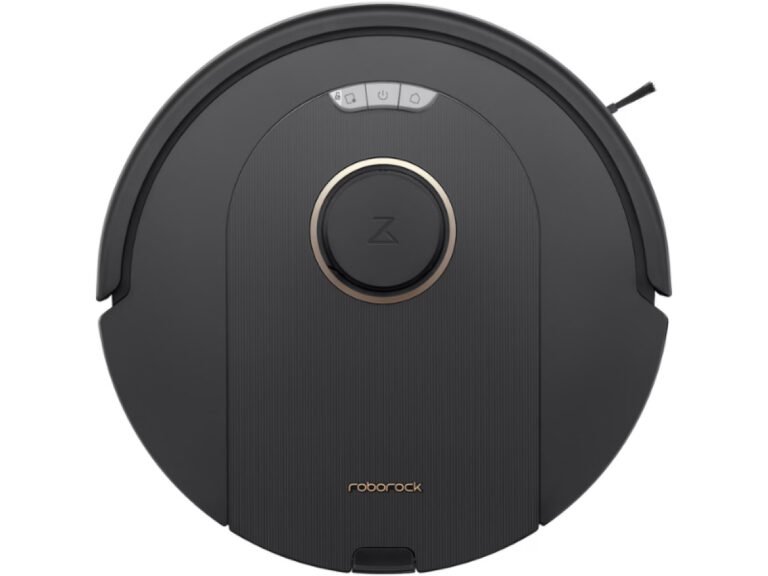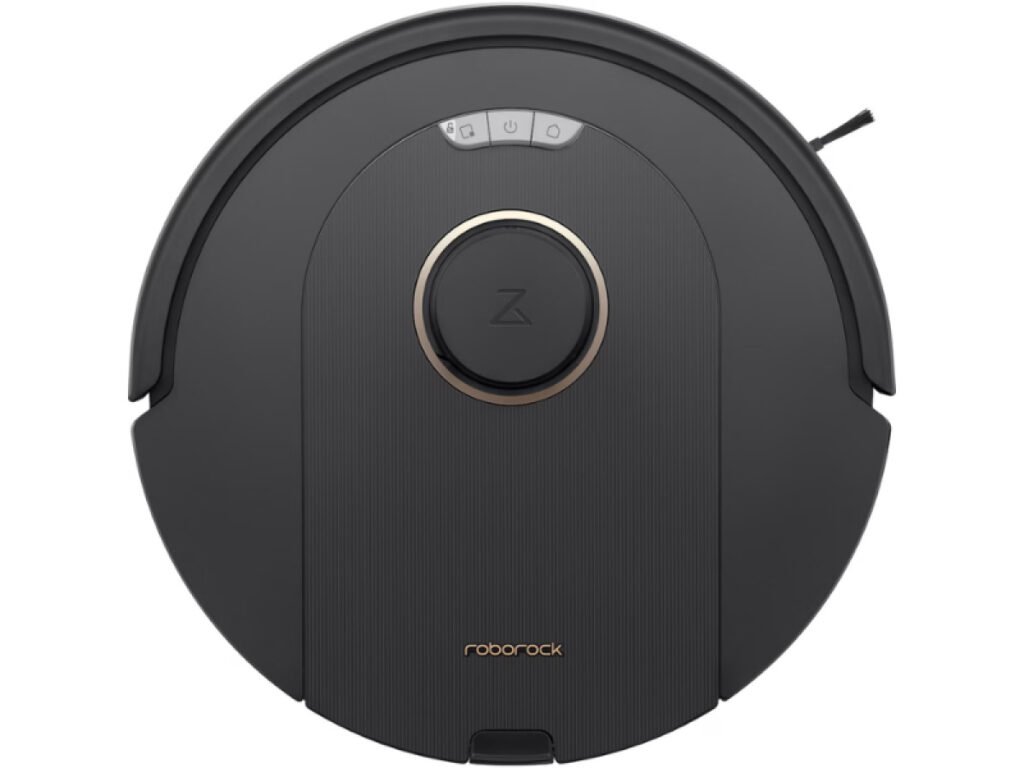
The best cheap robot vacuum right now is the Roborock Q5 Pro (about $140–160 on its frequent sales): true LiDAR mapping, a big 770 ml bin and the strongest verified spec sheet under $200. The honest headline for the whole category, though, is this: cheap robots used to mean random bumping. Now the class splits cleanly in two, and maps are cheap.
- Real LiDAR mapping (Q5 Pro, Yeedi C12, Dreame D10 Plus Gen 2, Roomba 105): the robot builds a map, cleans in rows, and can recharge and resume where it stopped.
- No map (Lefant M210, ILIFE V3s Pro): the robot bumps and turns until the battery fades. Cheaper, simpler, nothing to break, and fine for one or two rooms.
Two warnings before the picks. First, ignore list prices in this category: the Roomba Essential’s “$249.99” and the Eufy 11S Max’s “$279.99” are permanent fake sales; we quote street prices. Second, every suction figure below is a manufacturer claim; there is no standard test at this price, and iRobot does not publish one at all. Navigation type and bin size will tell you more about living with a cheap robot than its Pa number.
Updated November 2026.
The 6 picks at a glance
| Robot | Street price | Navigation | Runtime | Bin | Mop | Self-empty |
|---|---|---|---|---|---|---|
| Roborock Q5 Pro | $140–160 on sale | LiDAR mapping | 240 min | 770 ml | Drag pad | Pro+ version only |
| Yeedi C12 | $100–180 | LiDAR mapping | 300 min (claim) | ~350 ml | Drag pad | C12 Plus version only |
| Dreame D10 Plus Gen 2 | $166–245 | LiDAR mapping | 285 min (claim) | 4 L dock bag | Drag pad | Yes (dock included) |
| Roomba 105 Vac | $150–180 | LiDAR mapping | ~120 min | Small | No | Dock bundle only |
| Lefant M210 | $89–100 | Random bump | 120 min | 500 ml | No | No |
| ILIFE V3s Pro | $130–160 street | Random bump | 90–100 min | 300 ml | No | No |
1. Roborock Q5 Pro: best overall cheap robot vacuum
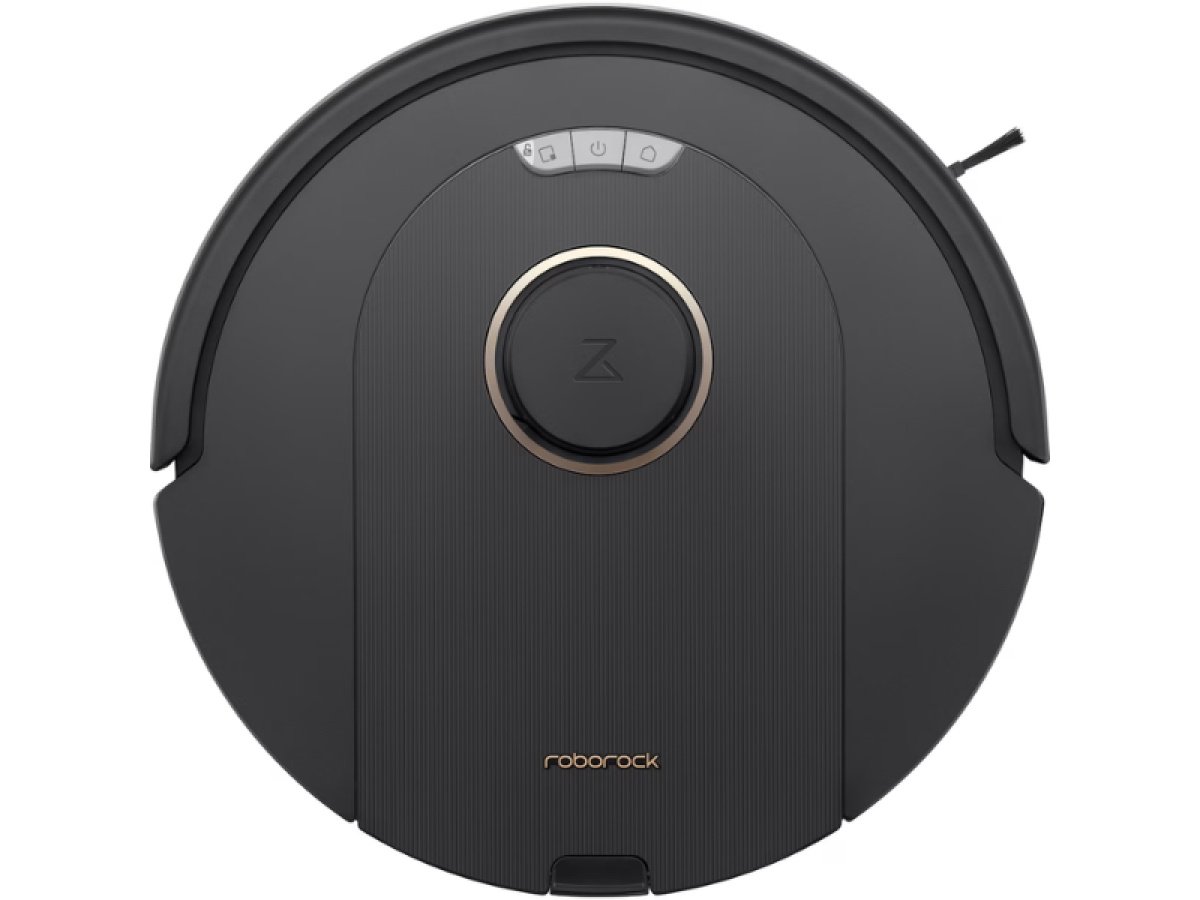
The Q5 Pro is what “cheap” looks like after LiDAR went mainstream: PreciSense laser mapping, up to 240 minutes of runtime, a 770 ml dustbin that is roughly double most rivals here, and Roborock’s DuoRoller brush, which resists hair wrap better than a single bristle brush. Its street price tells the story: the $249.99 list is fiction; deal trackers catch it at $139.99–159.99 constantly.
The catch is the mop: a drag pad with a 180 ml tank. It damp-wipes hard floors; it does not scrub. Buy this for vacuuming. (The self-empty sibling, the Q5 Pro+, exists if you want the dock.)
Key specs: 5,500 Pa (manufacturer claim) · LiDAR mapping, multi-floor maps · up to 240 min · 770 ml bin · drag-pad mop · Roborock app + Alexa · auto-recharge and resume
2. Yeedi C12: the cheapest true LiDAR robot
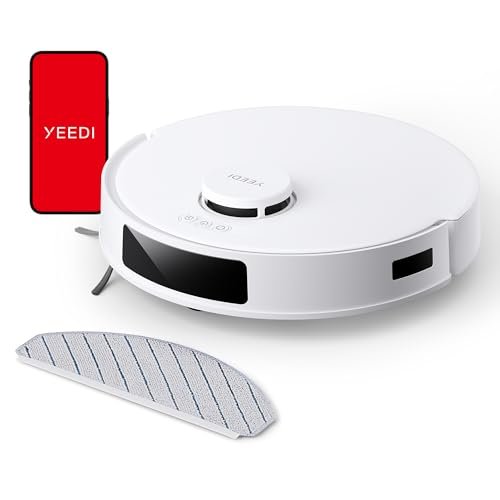
Vacuum Wars named this robot’s Pro sibling its Best Budget Robot Vacuum, and the base C12 shares the platform: TrueMapping LiDAR, a ZeroTangle brush (the pet-hair selling point), and a claimed 300 minutes of runtime from a 5,200 mAh battery. Price trackers have caught it at $99.99, which makes it the cheapest real-mapping robot we verified; its average tracked price is nearer $180, so this is a buy-it-on-sale pick.
Key specs: 8,000 Pa (manufacturer claim) · LiDAR mapping · up to 300 min (claim) · ZeroTangle brush · drag-pad mop · app + Alexa/Google · auto-recharge (resume not confirmed in our sources)
The catch: the promo-driven price swings wildly, and the base model has no dock (the C12 Plus adds a bagless self-empty dock around $199.99).
3. Dreame D10 Plus Gen 2: best cheap robot with a self-empty dock
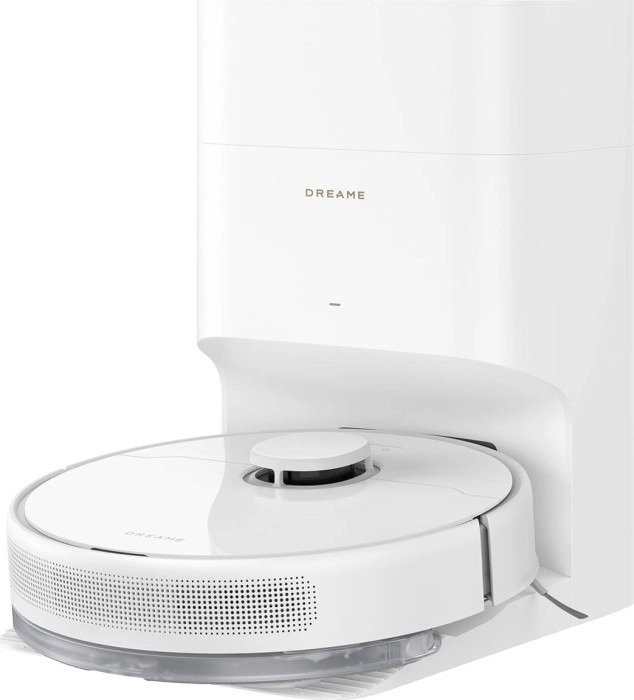
Self-emptying used to start at $400. The D10 Plus Gen 2 pairs LiDAR mapping with a dock holding a 4-litre bag, roughly 90 days of dust, and price trackers have caught the whole package at $166. The dock is the reason to buy it: for pet homes and anyone who hates touching the bin, 90 days of not thinking about it changes the product.
Key specs: 6,000 Pa (manufacturer claim) · LiDAR mapping · up to 285 min (claim) · self-empty dock, 4 L bag (~90 days) · detachable drag-pad mop · Dreamehome app + Alexa · recharge and resume
The catch: in hands-on testing, navigation was the weak point (it ran over cords and simulated pet accidents in TechGearLab’s tests), and the mop pad does not lift, so it will drag across carpet. The dock is the star; the cleaning is mid-pack.
4. Roomba 105 Vac: the first LiDAR Roomba under $200
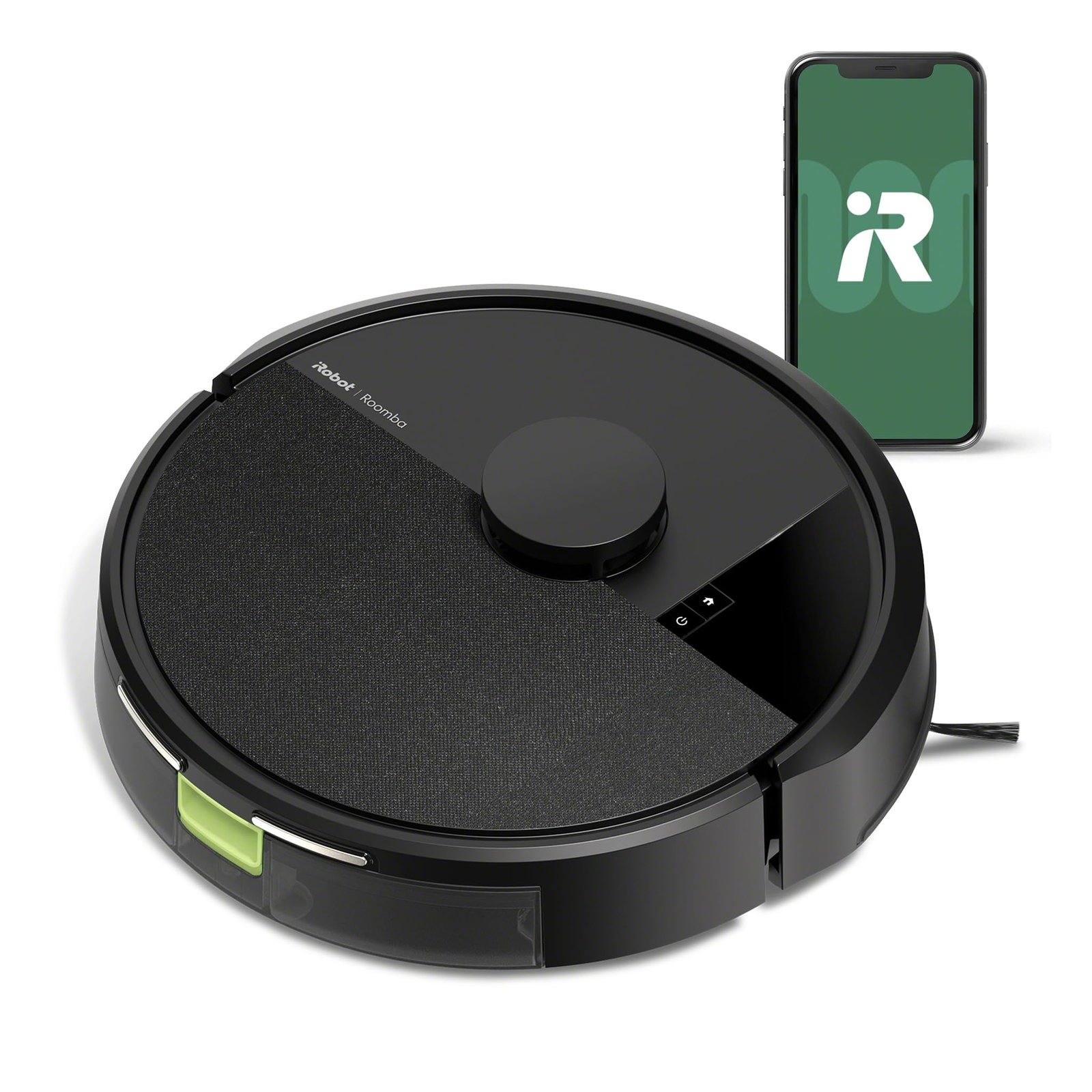
The 105 is the Roomba line growing up at the bottom: ClearView LiDAR with saved maps (up to 3), no-go zones, and recharge-and-resume, which its cheaper sibling the Roomba Essential pointedly lacks. Vacuum Wars measured above-average navigation efficiency.
Key specs: suction not published by iRobot (marketed as “70x Power-Lifting” vs the old 600 series) · LiDAR, up to 3 maps, no-go zones · ~120 min (iRobot figure) · vacuum only, no mop · Roomba Home app + Alexa/Siri/Google · recharge and resume
The catch: battery efficiency is the weak spot (Vacuum Wars measured about 630 sq ft per charge), the 4.1-inch body is too tall for low furniture, and early owner ratings sit at 3.7 stars as the new model beds in. Two disclosures belong here. First, iRobot filed for Chapter 11 in December 2025 and was acquired by Shenzhen Picea Robotics (the sale closed January 2026); iRobot says warranties are honoured and the app continues as normal. Second, if you want this robot with the self-empty dock, that is a separate, pricier bundle, not this listing.
5. Lefant M210: best under $100
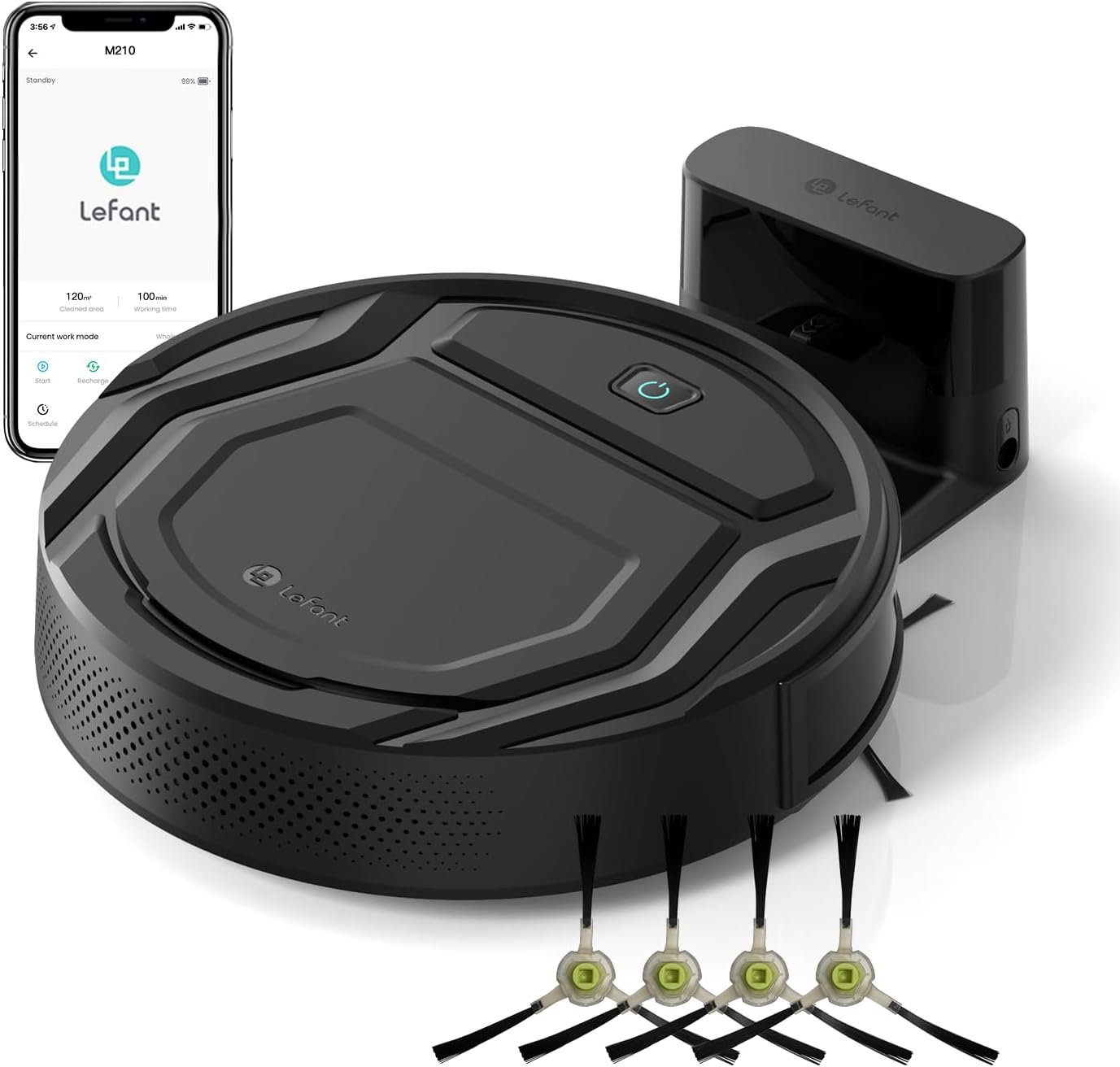
The M210 is the sub-$100 staple for a reason: a brushless suction port (no roller, so hair has nothing to wrap around), a big 500 ml bin for the size, and a street price of $89–100. Roughly 16,600 Amazon ratings average 4.1 stars, mostly from hard-floor apartment owners using it exactly as intended.
Key specs: 2,200 Pa (manufacturer claim) · random bump navigation with infrared obstacle sensing · 120 min · 500 ml bin · no mop · Lefant app + Alexa/Google (2.4 GHz only) · auto-recharge, no resume
The catch: random means random. It bumps into everything, cleans by coverage rather than logic, struggles with rug tassels and thresholds, and is weak on carpet. In a studio or a kitchen-and-hallway flat, none of that matters much; in a five-room house, it will.
6. ILIFE V3s Pro: the pet-hair classic, no app at all
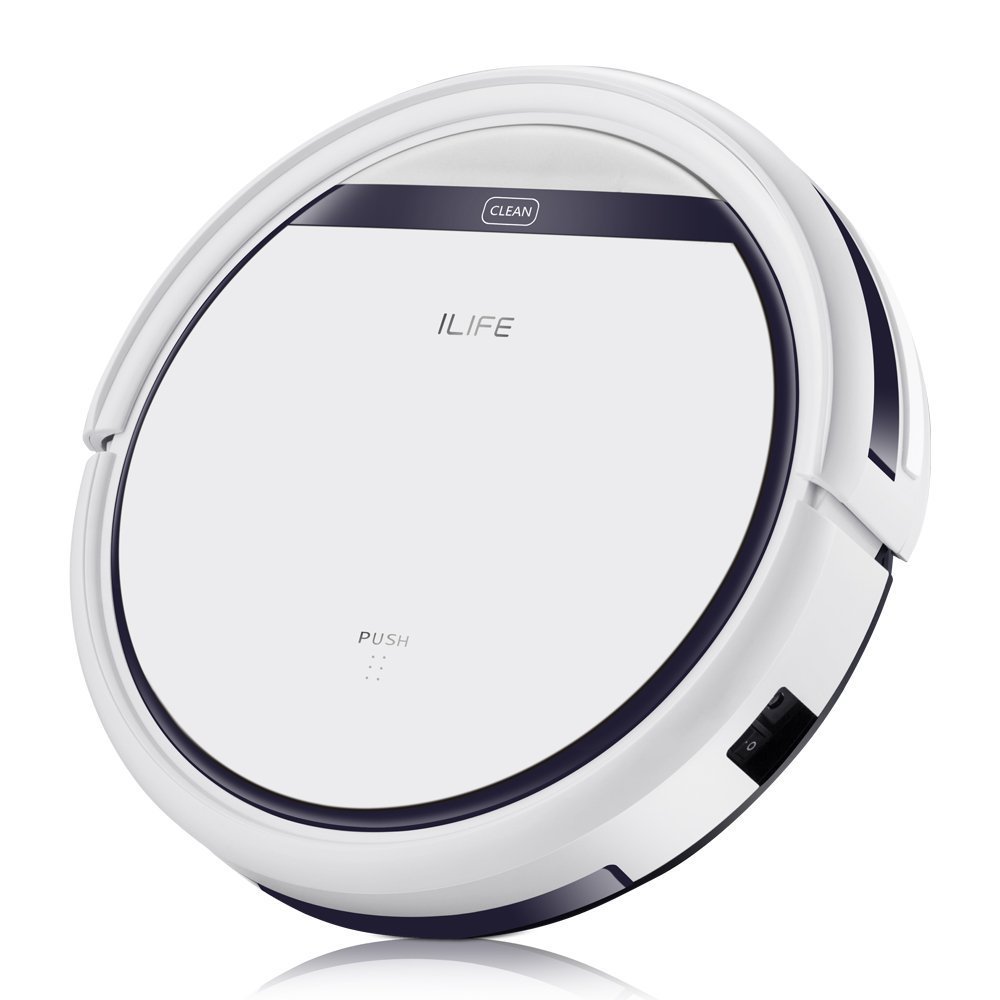
The V3s Pro has been the budget pet-hair answer for years for one physical reason: there is no brushroll. Hair goes through a suction port straight into the 300 ml bin, so the weekly “cut the hair off the roller” chore simply does not exist.
Key specs: modest suction (about 600 Pa per ILIFE’s spec; the point is the port, not the power) · random bump navigation · 90–100 min · 300 ml bin · no mop · no app, no Wi-Fi: remote control only · auto-recharge, no resume
The catch: raw suction is weak, it will not deep-clean carpet, and the cliff sensors can balk at very dark floors and rugs. US stock is mostly third-party sellers now, so check the seller before buying. The flip side of “no app”: there is no app to be abandoned, no account, no cloud. For a lot of buyers that is the feature. (Naming trap: the “V3s Pro Upgraded / V3x” with Wi-Fi is a different model; do not merge their specs.)
What we skipped, and why
Wyze Robot Vacuum: discontinued. Wyze’s own store shows it on clearance as no longer available, and it remains the category’s cautionary tale about app-dependent hardware. Shark AV2501S: a good LiDAR + self-empty robot whose $230–240 street price breaks this guide’s budget. Eufy RoboVac 11S Max: a quiet (55 dB measured), slim, durable bump robot with about 59,000 ratings, skipped only because the Lefant does the same job for less and the ILIFE does pet hair better; if you specifically want no app from a big brand, it is the alternative. Tikom and Bagotte: specs that fit, but prices and listings churn and we could not verify their listings to our two-source standard, so they get no buttons here.
Frequently asked questions
Is a $100 robot vacuum worth it?
On hard floors in a small home, yes: the M210 and C12 genuinely change the daily crumb-and-hair situation. On carpet, or in a big multi-room home, the cheap tier will frustrate you; the fix is a mapping model (any of picks 1–4) rather than more suction claims.
LiDAR vs random bump: does it matter?
More than any other spec on this page. Mapping robots clean faster, miss less, and can recharge and resume mid-job. Bump robots cost less, have fewer parts to fail, and suit one or two rooms.
Do cheap robots handle pet hair?
The hair problem is tangling, not suction. The tangle-proof designs here (Lefant’s suction port, ILIFE’s port, Yeedi’s ZeroTangle brush, Roborock’s DuoRoller) matter more than Pa numbers.
What about the mops on cheap robots?
They are drag pads: a damp wipe, useful for dust film on hard floors, useless on dried spills. Treat “2-in-1” on any robot under $200 as a bonus, not a mopping system.
Will the app still work in three years?
The honest risk list: discontinued brands are the danger (Wyze is the precedent). The no-app robots (ILIFE, and bump robots with remotes) cannot be abandoned, and the big vendors (Roborock, Dreame, ECOVACS/Yeedi, iRobot under its new owner) have the largest installed bases to support.
Prefer a stick or upright instead? These are the best budget vacuum cleaners.